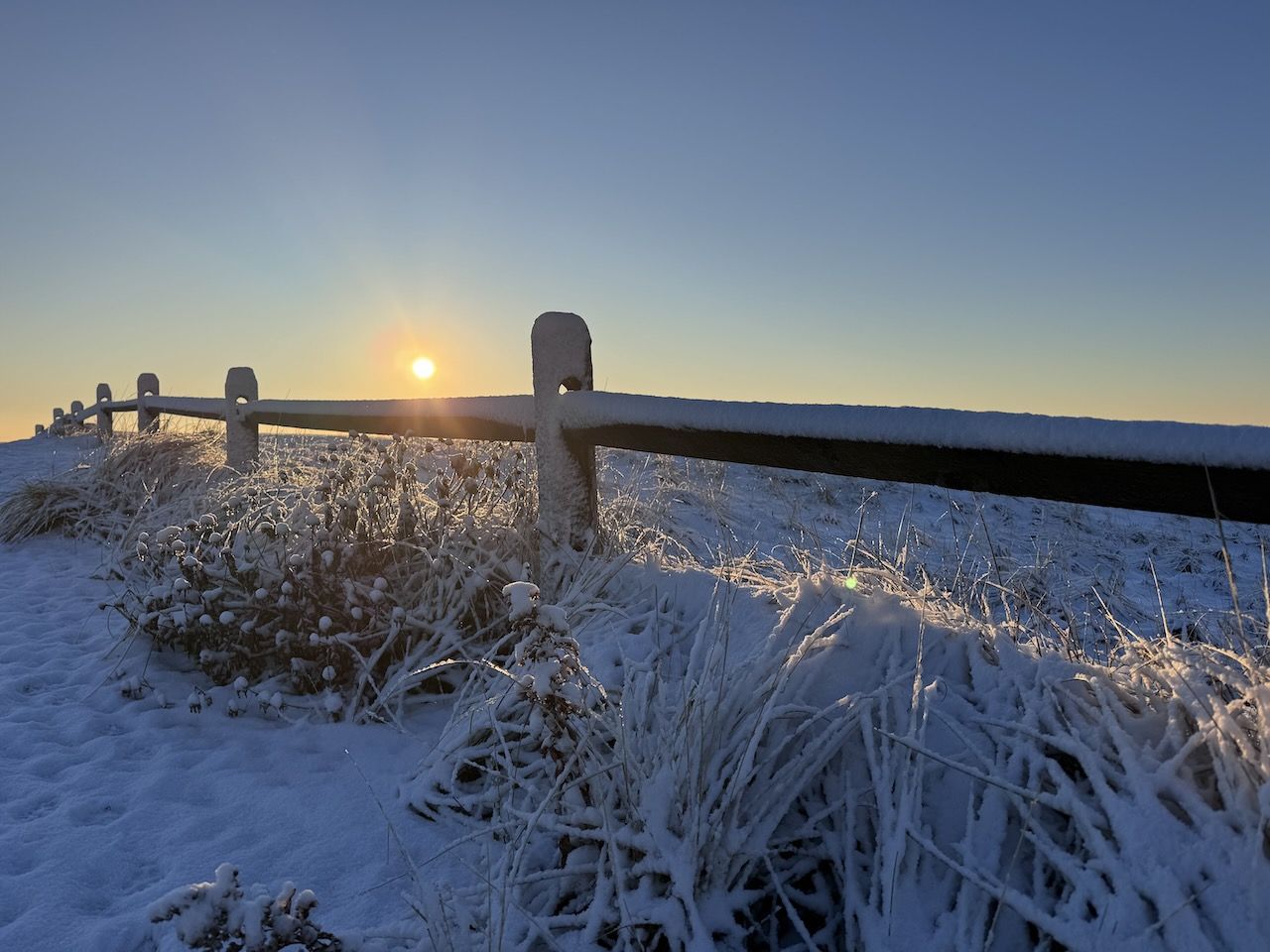
Winter Storm Watch: What Northern Ocean & Southern Monmouth Counties (NJ) Should Expect
Bottom line: The National Weather Service (Philadelphia/Mount Holly) is forecasting increasing confidence in a major winter storm affecting the region Saturday night through Monday morning/early Monday afternoon, alongside a prolonged stretch of dangerous cold. A Winter Storm Watch is posted for much of New Jersey, including our coastal communities in northern Ocean and southern Monmouth.
What a Winter Storm Watch means for our shore communities
A Winter Storm Watch means conditions are favorable for impactful winter weather—often heavy snow, sleet, and/or freezing rain—within the watch window. For residents and businesses in northern Ocean County and southern Monmouth County, that should trigger practical steps now: reviewing travel plans, checking heat and backup power options, and preparing for difficult road conditions.
You can view the watch product and details for the Point Pleasant area (NJZ026) here: NWS Winter Storm Watch (Point Pleasant / NJZ026) .
Storm timing: when impacts are most likely
The National Weather Service briefing highlights Saturday night through Monday as the main window for wintry impacts, with a watch period noted from 7 PM Saturday through 1 PM Monday.
Another critical factor: the storm arrives during an already cold pattern, and the briefing emphasizes dangerous cold and low wind chills before and after the storm. That combination can make cleanup harder, increase the risk of icy surfaces lingering, and elevate health risks for anyone outdoors for long periods.
Expected impacts in northern Ocean & southern Monmouth
1) Travel: snow-covered roads, reduced visibility, slower emergency response
The briefing warns that significant snowfall accumulations can lead to very difficult travel and widespread disruptions. For our barrier island and near-bay communities (Bay Head, Mantoloking, parts of Brick, Point Pleasant Beach), travel challenges can escalate quickly: limited access routes, drifting in exposed areas, and reduced visibility during heavier bursts.
2) Potential mixing and “heavier” precipitation types
The briefing also notes a possibility that snow could mix with or change to sleet/freezing rain in parts of southern New Jersey during Sunday, which may reduce pure snow totals in some spots but can make travel and power impacts worse (slicker roads and added weight on trees/lines).
3) Power and infrastructure: outages are possible
In coastal neighborhoods with mature trees and overhead lines, wet snow and/or ice can increase the risk of downed limbs and outages. If you rely on electric heat, plan now for a backup warming location or safe alternate heat source.
4) Cold safety: wind chills and prolonged exposure risks
The current NWS briefing emphasizes a prolonged stretch of cold with very low wind chills on multiple nights. That matters locally for shoveling, cleanup, outdoor work, and for vulnerable neighbors (seniors, people with limited heat).
Direct National Weather Service forecasts for Bay Head & Mantoloking
For the most precise, neighborhood-level updates—especially as snowfall and mixing lines shift—use these official NWS point forecasts:
- Bay Head, NJ (NWS point forecast): https://forecast.weather.gov/MapClick.php?lat=40.0708&lon=-74.0471
- Mantoloking, NJ (NWS point forecast): https://forecast.weather.gov/MapClick.php?FcstType=graphical&lat=40.0453&lg=english&lon=-74.0496&menu=1
For the latest Philadelphia/Mt. Holly (NWS) briefing hub page, use: https://www.weather.gov/phi/brief1 (this page points to the current briefing package).
And here is the current briefing PDF referenced throughout this post: https://www.weather.gov/media/phi/current_briefing.pdf
Top 10 best practices for winter storm preparation
- Build a 72-hour home supply kit: water, non-perishable food, prescriptions, infant/pet needs, and a manual can opener.
- Charge and stage backup power: phones, battery banks, flashlights (avoid candles), spare batteries, and a battery/hand-crank radio.
- Prep safe heat options: test your primary heat, keep extra blankets, and if using generators/heaters, follow manufacturer guidance and carbon monoxide safety.
- Protect pipes and plumbing: insulate exposed pipes, open cabinet doors under sinks on very cold nights, and know how to shut off your main water valve.
- Vehicle readiness: full gas tank, windshield washer fluid rated for freezing temps, tires checked, and an in-car kit (blanket, shovel, traction aid, snacks, flashlight).
- Plan around travel restrictions: reschedule nonessential trips, and if you must drive, stick to main roads and share your route and ETA.
- Shoveling safety: pace yourself, lift with legs, take breaks, and stop if you feel chest pain, dizziness, or unusual shortness of breath.
- Prevent slips and falls: treat walkways early, wear traction-friendly footwear, and use handrails—ice can be nearly invisible.
- Check on neighbors and family: especially seniors, anyone with medical equipment, and people with limited heating resources.
- Dress for dangerous cold: wear layers, hat, gloves, waterproof boots; limit exposure; bring pets indoors and ensure outdoor animals have safe warmth and water.
Reminder: Details can change as the storm track and precipitation type sharpen. Use the official NWS forecast links above for the latest timing, snow/ice potential, and watch/warning updates.